
Staying strong: how to perform despite age
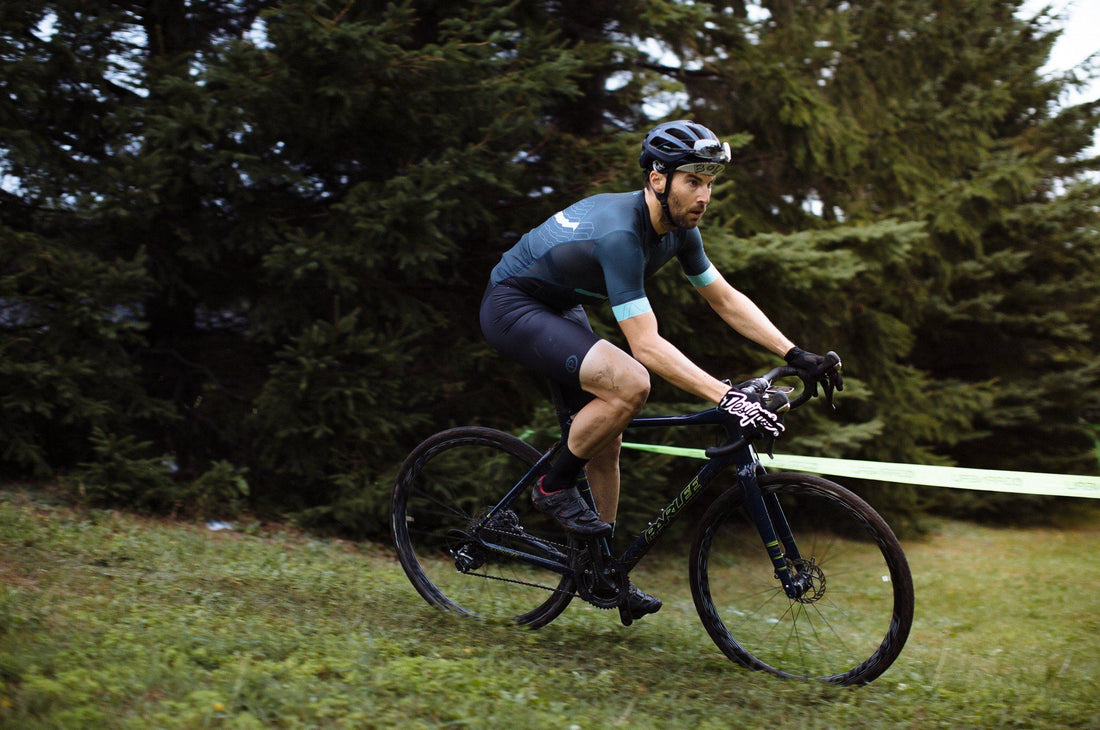
It's crazy, really. I'm 44 years old. And last spring, I achieved my best results ever in all my fitness tests. CP1, CP5, CP20: I smashed my previous records. All of them.
Yet we have always been told that fitness declines with age. That after the age of thirty, our muscles begin their inexorable decline, condemning our aging bodies to slow but long-lasting rides . Like days spent in a nursing home.
Feeling down, my friend...
Bad data, misleading studies
However, it is becoming increasingly clear that the studies on which these conclusions were based were flawed. In fact, between the ages of 30 and 50, it is not so much age as lifestyle that changes, causing the average athlete's engine to slow down as they enter this phase of their life.
Career, children, buying a house: these events often occur during this period and slow down the enthusiasm of athletes who no longer have as much time as they used to devote to training, leading to an average decline in fitness among these individuals.
So, we were basing our conclusions on bad data to conclude that age is everything.
Examples that are not anecdotal
Kristin Armstrong won her third Olympic gold medal in Rio. She was almost 43 years old. Svein Tuft still manages to dominate the peloton at over 40 years of age. I could give you too many examples for this kind of phenomenon to be considered anecdotal.
In fact, as we see clearly in the film Time Trial, which follows David Millar's final season as a professional cyclist, it is often in the mind that athletes make the decision to retire. They don't always end their careers because they are no longer in shape. More often than not, it is because they have had enough of that lifestyle.
Also, for amateurs like me, if we continue training seriously, we can prolong many physical characteristics well beyond our twenties. Especially in an endurance sport like cycling.
The winning conditions
Although I have managed to maintain my fitness level and even improve it, I am under no illusions. Eventually, age will catch up with me. For example, studies show thatfast-twitch muscles lose strength over time. But I can stabilize my physical condition and slow down its decline by applying a few techniques, which I will describe below.
Do intervals
Studies demonstrating the anti-aging effects of interval training are multiplying. Most focus on groups of sedentary adults, but the conclusions drawn remain the same for athletes: high-intensity intervals are beneficial for bone health (which is also affected by age) and increase muscle mass. Better still, intervals act directly on the body's cells to slow down aging.
As Joe Friel explains in his book Fast After 50 : while our endurance remains good, it is our VO2max that declines most noticeably with age. He recommends exactly what I do: very intense intervals throughout the year. At least every 8 or 9 days. I often do them indoors, even in summer, to ensure the quality of the training. That is, to get the right numbers.
Take care of your body
All it takes is a few hours of sleep in an awkward position to wake up with terrible back pain. A sign that my body is no longer as flexible as it was when I was 20. Since I train six days a week, I have to take good care of it. Massage therapy, stretching, self-massage, leg-up sessions, yoga, and other similar methods are part of my daily routine.
Respect the signs of fatigue
The key to continuing to perform well as we age is to recognize the signs our bodies send us. When I'm tired, I take a break. Or I modify my training and go for a Ride . Recovery takes longer as we get older, but if I'm careful, I can still go on a bike trip and ride for 10 days straight. As long as I sleep well and don't always push myself like a madman.
To make sure I've recovered properly before undertaking a big training session or a Ride intense Ride , I check my heart rate when I wake up: if it's too high, it's a sign that I still need to rest.
Weight training and cross-training
ALL research indicates that athletes, especially those who do not participate in high-impact sports (such as cyclists), benefit greatly from regular strength training sessions. This is even more true as we age, when muscle mass tends to decline. I do core training several times a week to avoid injuries and muscle imbalances, but I too often neglect squats, lunges, and deadlifts, which improve performance. I promise I'll get back to it this week. I also run regularly. For cyclocross, but also because it's an impact sport that helps me avoid repetitive strain injuries from always doing the same movement on the bike. Like weight training, impact sports also have a positive effect on bone density, which declines with age.
Monitor your diet
Age-related hormonal changes are inevitable. Even if we slow down the aging process, the body naturally tends to produce more fat and reduce muscle mass. As the heir to some less-than-desirable genetics (just mentioning poutine in conversation makes me gain a pound—I'm hardly kidding), I'm particularly sensitive to my diet. Also, after the age of 40, it's necessary to increase your protein intake to recover better from intense exercise. Some athletes need to consume almost twice as much protein as their younger counterparts in order to metabolize the same amount. Finally, I hydrate as best I can. Since the sensation of thirst diminishes with age, I force myself to drink more, regularly, regardless of how I feel. Avoiding excess, of course.
I'm not in complete denial. I know that my performance won't keep improving forever. But by working hard at all this, I'm ensuring that I reach a plateau that I can maintain for as long as possible. Not just to be competitive, but also to continue enjoying the exhilarating pleasure of riding very fast.