
Carbohydrates in training
Yes, you need to eat carbohydrates to perform intense and prolonged exercise. But be careful not to consume more than you need. Also learn to identify the best sources of this macronutrient in order to get the most out of it.
You haven't even started riding yet, and you're already gobbling down jelly beans and chugging a whole bidon sugary sports drink...
Of course, it's delicious. But are you eating more than you need to?
"It depends on the duration of the workout, the intensity, and the goals," says nutritionist Jessica Mongrain.
Parmi goals may be weight loss or tapping into fat reserves to train your body to draw on them. In this case, you may want to reduce your carbohydrate intake or do low-intensity rides .
Otherwise, for amoderate-intensity workout lasting an hour or less, you don't need to eat anything. Unless you haven't eaten anything since lunch four hours earlier. If that's the case, consider having a small snack an hour beforehand.
Depending on the intensity of the effort, you should then consume between 30 g (moderate effort) and 60 g (intense effort) of carbohydrates per hour.
For example:
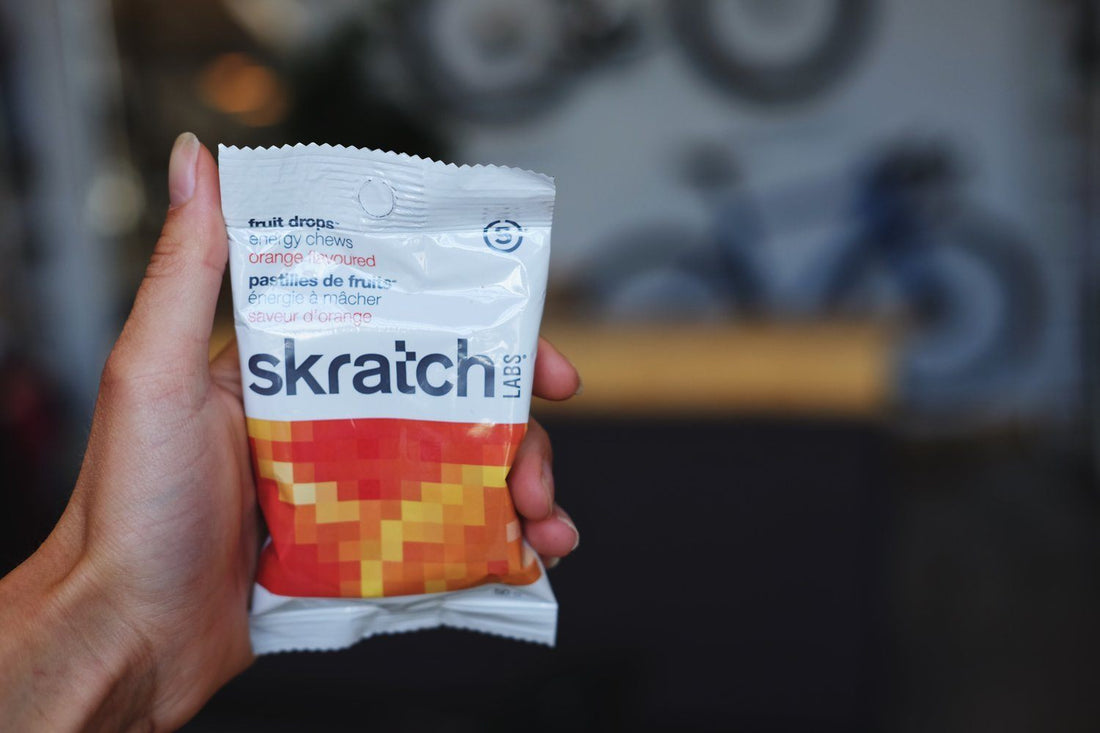
· A small bag of Skratch Labs jujubes contains a total of 40 g of carbohydrates.
· One serving of Skratch Labs Lemon-Lime Sports Drink contains 20 g of carbohydrates.
· A 100 g banana contains 23 g of carbohydrates.
· The same amount of rice, depending on the type, contains between 20 and 28.


Synchronize your rides meals
The time at which we start our workout will also determine what we should eat before and during exercise. "If you're leaving after lunch and you've eaten enough carbohydrates to sustain you throughout, there's no need to eat again before you leave," explains the nutritionist.
It may therefore be wise to plan your meals and rides if you want to reduce your overall calorie intake but still consume what you need to perform well.
Don't forget proteineither: it will keep hunger at bay.
Promote real food
Stuffing yourself with candy and gels is not the best way to maintain your carbohydrate intake. Especially since, for many people, consuming them in rapid succession tends to cause all kinds of digestive problems.
It is best to reserve its use for very intense exercise where it is difficult to eat otherwise, or for the end of races where you want to quickly inject sugar into your body.
Professional athletes have always eaten real food. Some eat lean meat sandwiches, as they did in the past. Allen Lim popularized small rice cakes , which several teams now eat during races and training.
Why eat real food?
Because that's what the body recognizes best and digests most easily. Also, a growing number of nutrition researchers point out that there are many interactions between different nutrients in unprocessed foods that can be lost when they are broken down to make foods focused solely on performance.
Several energy bar manufacturers are following this trend: fewer ingredients, less processing, only "real" food. More and more are also reducing the sugar content of their products, which can be hard on the heart, and are even offering savory snacks.
Stop, eat better
A workout isn't a race. If you don't have what you need on hand, stop at a grocery store or café on the way, and eat better.
A ham baguette? Why not? Especially since after a few hours on the bike, you also need to think about getting some protein.
Be careful with fiber, however, as it slows down digestion. This is what we want when we eat a meal, especially since it promotes satiety. But when training, we want to digest quickly and easily.